
A 21st Century Approach to Gastrointestinal and Systemic Health: Prebiotics, Probiotics, and Postbiotics
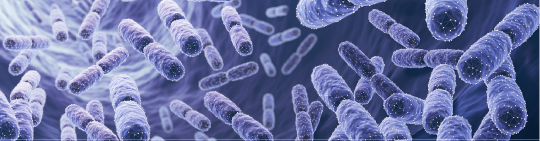
The human gastrointestinal (GI) tract boasts the largest population of microorganisms in the human body, including bacteria, yeast, archaea, viruses, and protozoa, collectively known as the gut microbiota,1 or the gut microbiome. Trillions of beneficial bacteria in the gut microbiome are essential for proper digestive health,2 human nutrition, immune function, resistance to pathogens, metabolism,3-5 and psychoemotional health.6
With 60% of Americans reporting gastrointestinal disturbances7,8 and 52.7% experiencing metabolic imbalances,9 the gut microbiota represents a highly relevant and evidence-based leverage point for shifting overall health. In addition, the one-pathogen-one-disease model of the 20th century, characterized by antibiotic compounds to kill infections caused by individual pathogens, is falling to the wayside, in part due to antibiotic overuse and widespread antibiotic resistance. Instead, scientists and practitioners are adopting a new view of the microbiome in the 21st century—as a complex ecological community affecting health and disease.10,11
A comprehensive health strategy should therefore target and optimize the human gut microbiome. Indeed, this approach has been a long-standing pillar of integrative and functional medicine and is known as the 5R Framework for Gut Health by the Institute for Functional Medicine. Prebiotics, probiotics, and postbiotics are key tools used in the 5R Framework to restore the gut microbiota to healthy balance and fortify the immune system.* Improving the microbiome can benefit gastrointestinal imbalances, metabolism, brain function, and immunology, among others.*6
- Prebiotics provide the fuel source for gut microbiota.
- Probiotics are living microbes that confer health benefits, usually taken as a dietary supplement.
- Postbiotics are inanimate microbes and/or their byproducts that promote health.
- Synbiotics are synergistic combinations of probiotics and prebiotics that benefit health.
To help optimize gastrointestinal health, DaVinci® Laboratories serves clinicians and consumers with carefully formulated, high-quality, clinically relevant prebiotic and probiotic solutions. This article will review the role of the gut microbiota in overall health and the evidence behind prebiotics, probiotics, and postbiotics as a low-risk approach to promote gastrointestinal and whole-body health.* In parallel, this article will introduce DaVinci®’s innovative products and branded ingredients that support and balance gut health:*
|
Prebiotics |
Probiotics |
Butyrate Support |
|
Prebiotic Mushroom Blend† |
Mega Probiotic™ ND‡ |
Prebiotic Mushroom Blend† |
|
Phyto Benefits™ |
Mega Probiotic™ ND 50‡ |
|
|
Cranberry |
Daily Best Probiotic™ |
|
|
Prebiotic Fiber |
|
|
|
Mega Probiotic™ ND‡ |
|
|
|
Mega Probiotic™ ND 50‡ |
|
|
†Prebiotic Mushroom Blend contains prebiotics and direct butyrate support.
‡Mega Probiotic ND and ND 50 are synbiotics (containing probiotics and prebiotics).
Overall Health Benefits of Gut Microbiome Support*
- Healthy bowel movements after an antibiotic regimen12
- Colon Health
- Relieving occasional diarreha and supporting regularity13-15
- Minimizing gas or bloating
- Abdominal comfort
- Heart and vascular health16
- Balanced inflammatory response17,18,19,20
- Dental and periodontal health
- Genitourinary support21
- Immune support22
- Optimal mental health and gut-brain axis support23,24
- Respiratory health25
- Satiety and weight management26
- Skin health27
DON'T HAVE TIME TO READ THE ENTIRE WHITE PAPER NOW?
Fill out the form and download a PDF version of the guide you can reference later.
The role of the microbiota in digestive and systemic health
The gastrointestinal microbiome contains more than 100 trillion microbes belonging to 1,000 different species of bacteria and accounting for roughly 150 times more genes than those in the human genome.2 The following genera make up nearly 90% of the gastrointestinal microbiota: Lactobacillus, Bacillus, Clostridium, Enterococcus, Ruminococcus, Eubacteriaum, Faecalibacterium, Roseburia, Bacteroides, and Prevotella.28 Most of these are beneficial; they promote metabolism, immune health, nutrition, and resistance to infection.* They metabolize proteins and complex carbohydrates, produce enzymes,29 vitamins,30 short chain fatty acids (SCFAs),31 and other metabolic products (historically known as postbiotics¶) that keep the bowels and the body functioning well.*
¶In a 2021 effort to standardize postbiotic terminology for scientific and functional food regulatory purposes, the International Scientific Association for Probiotics and Prebiotics (ISAPP) defined postbiotics more narrowly as a “preparation of inanimate [dead] microorganisms and/or their components that confers a health benefit on the host.”32 The definition of postbiotic hinges on its distinction from probiotics, which differentiates dead versus living microorganisms. However, purified beneficial byproducts of microbes, historically known as postbiotics, such as the SCFA, butyrate, were no longer classified as postbiotics by ISAPP. As a result, these health-promoting postbiotic-like substances now have no category of their own. In this article, we discuss the postbiotic properties of butyrate,33 while acknowledging that based on the new ISAPP definition, butyrate is only considered a postbiotic when given together with dead microorganisms. We also acknowledge that, to date, there is still no universally accepted definition of postbiotics34 and more will likely develop on this topic in coming years.
A healthy microbiome is characterized by a diverse and balanced microbial community, which exists in harmony with its host. This balanced diversity of commensal bacteria, or “eubiosis,” is necessary for optimum digestive and systemic health. As such, it defends the intestines from pathogens and harmful microorganisms, a process known as “colonization resistance.”5 Through this mechanism, healthy populations of beneficial bacteria such as Lactobacillus and Bifidobacterium can reduce the risk of GI infections.*5
The gut microbiota is responsible for promoting health in the following ways:35,36
- Antimicrobial protection
- Breaking down and absorbing nutrients
- Breaking down and recycling bile
- Crowding out undesirable bacteria
- Developing immune function and tolerance
- Fortifying the intestinal barrier
- Maintaining brain health and proper metabolism
- Producing important nutrients: vitamin K, biotin, and B vitamins
- Producing short chain fatty acids for gut and metabolic health
When there is a loss of diversity in the gut microbiota, “dysbiosis” is usually the result. Dysbiosis may also arise when beneficial bacteria are missing or with an increase in harmful microbes. Dysbiosis is associated with a number of digestive problems.2 Dysbiosis of the gut microbiota interferes with colonization resistance and can open the door to pathogenic infections, such as Helicobacter pylori, Clostridium difficile, or others. Another possible consequence of low levels of commensal microbiota is small intestinal bacterial overgrowth (SIBO), an abnormal level of bacteria in the small intestine combined with associated GI symptoms.37
Causes of imbalanced microbiota
- Antibiotics
- Birth control pills38,39
- Environmental toxins40
- Gastrointestinal infections41
- Medications41
- Psychological stress42
The Immune Response and the Microbiota
Gut microbiota are critical to immune health. They interact with a host's innate and adaptive immune systems, thereby influencing intestinal homeostasis and supporting a healthy inflammatory response.43 At least 70% of the immune system resides in the GI tract.44 Substances made by the microbiota play a role in cross-talk between gut lining cells and immune cells (see, “Building Gut Health with Postbiotics”).43 Any dysfunction in the interaction between gut microbiota and the mucosal immune system can create an opening for an undesirable microbe to take hold and disturb metabolism. This can disrupt the epithelial barrier of the gut and enhance vulnerability to infections.45 A compromised gut barrier is known as intestinal permeability, or “leaky gut,” and has been implicated as a key trigger for systemic immune imbalances and altered inflammatory responses.46
The gut-brain axis and the microbiota
Research has established that the gut microbiota interacts with the brain through the gut-brain axis through interactions between three major pathways: the immune pathway, the neuronal pathway, and the endocrine/systemic pathway.47 The gut microbiota can influence mood and contribute to a positive mental outlook,48 as well as contribute to restful sleep.49
The gut-metabolism axis and the microbiota
The human gut microbiota has emerged as a critical regulator of metabolic health, influencing blood sugar control, body weight, and fat stores. One example of the gut-metabolism link is Akkermansia muciniphila, a key beneficial gut microbe, which supports a healthy gut barrier and a balanced inflammatory response.* It promotes glucagon-like peptide 1 (GLP-1), an intestinal hormone that enhances healthy blood sugar, insulin sensitivity, and a normal body weight.*50,51
prebiotics: the opening act for probiotics
Prebiotic Fiber
Prebiotics are usually hard-to-digest carbohydrates that are selectively used by the microbiota as a fuel source.* Prebiotics are often short-chain or long-chain carbohydrates (polysaccharides or oligosaccharides). Prebiotics can be found in the diet as whole foods or in supplemental forms35 and are a primary method for encouraging beneficial microorganisms to colonize the human host. Fructooligosaccharides (FOS), galactooligosaccharides (GOS), starch, xylooligosaccharides, inulin, and glucose-derived oligosaccharides are all prebiotics. While most prebiotics are dietary fiber, plant polyphenols also act as prebiotics, which will also be reviewed in this section.
Prebiotics are well tolerated overall, but higher doses of supplemental prebiotics may produce gastrointestinal side effects, such as bloating and flatulence.36
Prebiotics promote the growth and activity of beneficial gut microbiota, such as Bifidobacterium, Lactobacillus, and Faecalibacterium prausnitzii.*52 As a result, these microbes produce a number of beneficial substances, including vitamins and short-chain fatty acids (SCFAs) such as butyrate.53 The beneficial byproducts made by the microbiota will be discussed later in this article, “Building Gut Health with Postbiotics.”
Although the human body doesn’t use prebiotics for its own nutrition,54 prebiotics and their effects on the microbiota benefit human health. Prebiotics can reduce the prevalence and duration of occasional diarrhea from antibiotic use as well as diarrhea from other causes.*13,55-57 They can strengthen barrier function, promote regularity, increase insulin sensitivity, decrease blood lipids, enhance calcium and magnesium absorption, and support satiety.*52,58 In randomized, double-blind, placebo-controlled trials, prebiotic supplementation has been shown to reduce body weight and increase levels of intestinal hormones associated with regulating appetite and maintaining a healthy weight, such as glucagon-like peptide 1 (GLP-1) and peptide YY.*58,59
Prebiotic fibers play a role in supporting immune function through production of short-chain fatty acids (SCFAs).*20 In animal studies, addition of SCFAs to parenteral feeding increases T helper cells, macrophages, and neutrophils, and enhanced cytotoxic activity of natural killer cells.*20 There is also some evidence of increased resistance to illness or infection with fiber intake.* Certain fibers, such as β-glucans, interact with immune cells to directly stimulate the immune system.*20
DaVinci® Laboratories offers a number of prebiotic formulas to help support and build the gut microbiome:
-
Prebiotic Mushroom Blend
- Prebiotic Fiber
- Cranberry
- Phyto Benefits™
Prebiotic Mushroom Blend contains reishi (Ganoderma lucidum), maitake (Grifola frondosa), and oyster (Pleurotus ostreatus) functional mushrooms. This product has a high concentration of a type of prebiotic fiber known as beta-glucan (> 15%). In addition to promoting the growth of intestinal bacteria through its role as a prebiotic, beta-glucan supports digestion, activates immune cells, and maintains a healthy inflammatory response*.60,61
Prebiotic Fiber contains Fibersol®-2, a soluble dietary fiber that dissolves rapidly, unlike many other fiber supplements so that it’s gritless and tasteless. A digestion-resistant maltodextrin, Prebiotic Fiber increases fiber intake, which builds gut bacteria.* It does not cause the gas and bloating seen with many other fiber supplements.
Prebiotic Polyphenols
In recent years, polyphenols from colorful fruits and vegetables were also classified as prebiotics, given their ability to bypass human digestion and help grow and stimulate intestinal bacteria.35,62 Polyphenols are secondary metabolites made by plants and are high in cereals, fruits, vegetables, wine, coffee, and tea.35
It has been estimated that 95% of ployphenols consumed in the diet pass along to the colon where they are fermented by gut microorganisms.62 Polyphenols benefit the microbiome in two ways. First, they increase the growth and colonization of beneficial bacteria such as Bifidobacteria and Lactobacillus microbes.* Second, they may help reduce pathogenic bacteria such as Clostridium perfringens and Helicobacter pylori.*35,62
Polyphenols from red grapes, berries, cranberries, and tea are known to promote beneficial bacteria, balance the gut microbiome, and calm the immune response.35 Phyto Benefits™ from DaVinci® Laboratories is rich in polyphenols such as green tea and pomegranate and can be used as part of a comprehensive gut health strategy to promote the gut microbiome, especially Akkermansia muciniphila.*63 Prebiotics that raise levels of A. muciniphila are especially helpful in weight management and feeling full after meals since this beneficial bacteria is known to promote healthy levels of GLP-1.*64
Cranberry plant compounds build good bacteria such as A. muciniphila, Lactobacillus, and Roseburia, thereby crowding out unwanted microbes.*65,66 Cranberry is also well known for its role in promoting a healthy microbial balance in the urinary tract.* DaVinci® Laboratories’ Cranberry contains 400 mg fruit juice powder per capsule, without any sugar.
Prebiotics and probiotics promote human health through these primary mechanisms of action*:
-
Modulate the host immune system and fortify the intestinal barrier
- Crowd out pathogens by competing for resources
- Improve nutrient absorption
- Produce antimicrobial substances
- Balance the nervous system
probiotics: gut health and beyond
Probiotics taken in supplemental form directly influence the gut microbiome by providing beneficial microorganisms to the gastrointestinal tract.* This leads to benefits for both gastrointestinal health and systemic health. An abundance of medical research indicates that probiotic supplementation may have a role in supporting a healthy inflammatory response in the bowel, weight management, reducing occasional diarrhea and constipation, supporting healthy glucose metabolism, and immunity, among other benefits.*36,67-69
According to the 2002 World Health Organization (WHO) definition, probiotics are live microorganisms which have a positive effect on host health.*70 Examples of probiotics include Lactobacillus species, Bifidobacterium species, Bacillus coagulans, and Akkermansia muciniphila.
ProbioticsTransform Intestinal Health*
Probiotics promote abdominal comfort, regular bowel habits, healthy stool consistency, and a healthy inflammatory response in the colon.*17,18,19,20 Probiotics rebuild the microbiome after antibiotics.*12 They also relieve the prevalence and duration of occasional diarrhea from antibiotic use as well as diarrhea from other causes.*13,55-57 One review found that probiotics reduce the risk of dysbiosis-associated diarrhea by 60%.*13 Probiotics may reduce hard stool, producing alterations in gut microbiota related to relief of occasional constipation.*14 Probiotics maintain a healthy intestinal immune response by strengthening the intestinal walls to keep unwanted substances from escaping into the circulation.*22 In people with constipation, probiotics promote regular bowel movements.15 Probiotics studied in these applications include Bifidobacterium lactis, Streptococcus thermophilus, Bifidobacterium longum, and Bifidobacterium bifidum.
Probiotic Benefits for Systemic Health*
It isn’t surprising that beneficial bacteria supplements reinforce health of the gastrointestinal tract- the home of the largest and most diverse microbiome in the human body. However, it may be surprising that probiotics demonstrate significant benefits for other extraintestinal sites in the body, such as the genitourinary system, metabolism and body weight, the nervous system, the respiratory tract,25 and skin.*27
Beyond the gut, supplementation with Lactobacillus bacteria can help support healthy and comfortable urination by providing and/or replacing this key microbe in the female urinary tract.*21 Supplementing with probiotics also supports the vaginal microenvironment after yeast overgrowth.*71,72,73
Probiotics are known to influence a healthy weight.* Supplementing with probiotics promotes healthy levels of body fat and visceral fat,26 and even enhances exercise performance.*16 A mixed-strain probiotic given to 90 overweight subjects supported a healthy weight and healthy amount of visceral fat, which in turn led to a healthy inflammatory response.*74 The probiotic A. muciniphila has been associated with improved blood sugar and lower hemoglobin A1c.*75,76
Probiotic supplementation has confirmed the well-known link between the nervous system and the gastrointestinal tract (the gut-brain axis). Probiotic supplementation shows benefits for cognitive function.*23,24 Likewise, probiotics hold promise for older patients who want to sharpen their mind as they age. Probiotic organisms promoted cognitive function, mood, and mental flexibility in community-dwelling, older adults.*59
DaVinci® Laboratories offers a number of probiotic formulas, including:
- Mega Probiotic™ ND
- Mega Probiotic™ ND 50
- Daily Best Probiotic™
Daily Best Probiotic™ offers foundational support to anyone looking for a Lactobacillus and Bifidobacterium multi-species 25 billion/capsule nondairy probiotic. By supporting a strong gut lining and helping maintain a healthy microbial balance in the intestines, Daily Best Probiotic™ supports healthy digestion and regularity.* It’s also an ideal way to replenish beneficial bacteria lost due to antibiotic therapy.*
Mega Probiotic™ ND and Mega Probiotic ND 50 are targeted, evidence-based microbiome support supplements to re-populate the gut. Mega Probiotic™ ND and ND 50 contain eight highly effective strains of beneficial bacteria from non-dairy sources: Streptococcus thermophilus UASt-09™ for immune health; Bifidobacterium longum UABl-14™ and Bifidobacterium bifidum UABb-10™ for bowel regularity; and Lactobacillus acidophilus UALa-01™ for healthy body weight and body fat.* Other probiotic strains shown to favorably modulate the gut microbiota such as Lactobacillus casei UALc-03™ and Lactobacillus rhamnosus UALrh-18™ are also included in both formulas. Both Mega Probiotic™ ND and ND 50 contain FOS, a soluble fiber and prebiotic that acts as fuel for good bacteria and helps grow them in the digestive tract (discussed earlier in, “Prebiotics: The Opening Act for Probiotics”).*
The key difference between Mega Probiotic™ ND and Mega Probiotic™ ND 50 is the concentration of probiotic bacteria per capsule. Mega Probiotic™ ND delivers 5 billion microorganisms per capsule (or 15 billion/serving), ideal for gut microbiome maintenance.* In contrast, Mega Probiotic™ ND 50 is a high-potency probiotic that has >50 billion colony forming units (CFU) per capsule. This higher potency probiotic may be appropriate for more aggressive gut restoration plans and to support beneficial bacteria replenishment after antibiotic treatment.*
The probiotic species differ slightly in Mega Probiotic™ ND versus Mega Probiotic ND 50, with the latter containing a total of nine probiotic species. Bifidobacterium lactis UABla-12™ promotes abdominal comfort, regular bowel habits, and healthy stool consistency17,18 and is only found in Mega Probiotic™ ND.* On the other hand, Mega Probiotic™ ND 50 contains Lactobacillus salivarius UALs-07, which supports oral health; as well as Lactobacillus plantarum UALp-05™, which balances the inflammatory response, promotes regularity, and boosts short-chain fatty acids.*77,78
building gut health with postbiotics
“Postbiotic,” which translates to “after life,” describes inanimate microbes and/or their byproducts, which benefit human health. Historically, postbiotics have been broadly defined as the cells or cell components of microbiota, as well as the enzymes, vitamins, peptides, and metabolites they produce, including SCFAs.34 However, the term “postbiotic” has evolved over time and in 2021, there were changes to the definition. ¶34,79,80
Postbiotics can enhance immune function, help maintain healthy bacterial balance, promote healthy lipid and cholesterol metabolism, and protect against rogue cell development.*34 Examples of postbiotics are: heat-killed Bifidobacterium longum CECT 7347 for normalizing bowel function,81 heat-killed Lactobacillus paracasei MCC1849 to ward off cold symptoms,82 and fermented infant formulas containing postbiotics.* Postbiotics or related metabolites include sodium butyrate to support gastrointestinal regularity, and a fermented oat product with L. plantarum 299v, which is rich in SCFAs and other microbial metabolites.*34
SCFAs are beneficial byproducts mainly derived from gut microbiome fermentation of dietary fiber. SCFAs support immunity, weight management, blood sugar, liver, cardiovascular, neurological, and colon health.*83-86 Acetate, propionate, and butyrate are three examples of SCFAs.
Butyrate is an SCFA that supports digestion and immunity in the gut, maintains a healthy inflammatory response in the intestines, keeps the gut-lining strong, and supports the gut-brain axis for a pleasant mood, sharp-thinking, and deep sleep.*33,87,88
Butyrate acts as an energy source, promotes cell differentiation, defends against oxidative stress, and supports immunity.*33,89 It also is involved in epigenetic regulation of colon health, through its role in histone deacetylases.33 Furthermore, butyrate impacts the gut–brain axis by crossing the brain–blood barrier.33 Butyrate also enhances the strength of the gut lining, reducing the likelihood of increased intestinal permeability.*90,91
Colonic epithelial cells prefer to use butyrate as an energy substrate, even when competing energy sources such as glucose or glutamine are readily available. Butyrate plays a critical role in metabolic activity and growth of colonocytes.*20 SCFAs are transported to tissues and organs such as the liver, muscle, or other peripheral tissues, where they act as fuel, providing about 7%–8% of daily human energy requirements.*92
Fermentation and SCFA production help to inhibit the growth of unwanted organisms by lowering luminal and fecal pH.*20 Low pH reduces formation of undesirable compounds such as ammonia, amines, and phenolic compounds, and decreases the activity of undesirable bacterial enzymes.*20
Providing dietary or supplemental prebiotics supplies fermentable substrates to the gut microbiota, enabling microbial production of postbiotics such as SCFAs, including butyrate.* A healthy, resilient gut microbiome further enhances postbiotic production and amplifies their associated health benefits.*
DaVinci® Laboratories butyrate support in the form of Prebiotic Mushroom Blend. This is a prebiotic supplement that also supports butyrate production.* As described in “Prebiotics: The Opening Act for Probiotics,” it delivers beta‑glucan-rich prebiotic fiber that helps build the gut microbiome and fuels microbial production of butyrate and other SCFAs.*
Prebiotic Mushroom Blend also contains ButyraGen™ Tributyrin Complex, which provides direct butyrate support.* Unlike microbiome‑dependent fermentation, tributyrin is enzymatically released in the body, allowing butyrate to support the gut lining and microbiome regardless of individual differences in diet or microbiome composition.
optimizing gut-systemic health*
A well-balanced gut microbiota is critical to supporting the health of not only the GI tract, but also the brain, immune system, and genitourinary tract. The gut microbiota is now known to play a role in maintaining a healthy weight and even supporting levels of GLP-1. With over two-thirds of Americans reporting signs of gastrointestinal dysbiosis,7,8 the gut microbiome represents a compelling therapeutic target. Optimizing the gut microbiome also holds promise for common disturbances widespread in the population: low mood, poor sleep, inefficient metabolism, rising blood sugar, and immune system imbalances.9,93
Prebiotics, probiotics, and postbiotics represent an advanced approach to transform human gastrointestinal microecology, distinct from the approach used in the 20th century, which primarily sought to eradicate individual pathogenic microbes. The medical and scientific evidence is clear that a healthy and diverse gut microbiota is one of the most important ways to support overall health, and DaVinci® Laboratories has formulated a suite of supplements that will contribute to the gut microbiota’s abundance and diversity.*
DaVinci®’s prebiotic supplements build good bacteria and help generate their beneficial byproducts: Prebiotic Mushroom Blend, Phyto Benefits™, Cranberry, and Prebiotic Fiber.* Practitioners can supply beneficial probiotic bacteria directly to the gut environment with DaVinci®’s Mega Probiotic™ ND, Mega Probiotic™ ND 50, and Daily Best Probiotic™.*
When it is time to repair the gut, GI Benefits™ from DaVinci® is an ideal formula for helping to heal the gut lining with L-glutamine, zinc carnosine, aloe vera, and soothing herbs, along with 1,000 mg of prebiotic arabinogalactans.* Prebiotic Mushroom Blend offers direct butyrate support for a healthy gut barrier.*
For every step of the 5R Framework for Gut Health, DaVinci® has an answer to your patients’ supplement needs with carefully formulated products containing high-quality, bioavailable ingredients at clinically relevant doses.
References:
1. Cryan J, O'Riordan K, Cowan C, et.al. The Microbiota-Gut-Brain Axis. Physiological reviews. 2019;99(4):1877-2013.
2. Shen Y, Fan N, Ma SX, Cheng X, Yang X, Wang G. Gut Microbiota Dysbiosis: ...MedComm (2020). May 2025;6(5):e70168. doi:10.1002/mco2.70168
3. Ley RE, Turnbaugh PJ, Klein S, Gordon JI. Microbial ecology: human gut microbes associated with .... Nature. Dec 21 2006;444(7122):1022-3.
4. Palva A. [Intestinal microorganisms and their significance for health]. Duodecim; laaketieteellinen aikakauskirja. 2009;125(6):685-94. Suolistomikrobit ja niiden merkitys terveydelle.
5. Kamada N, Seo SU, Chen GY, Nunez G. Role of the gut microbiota in immunity and ...Nature reviews Immunology. May 2013;13(5):321-35. doi:10.1038/nri3430
6. Afzaal M, Saeed F, Shah YA, et al. Human gut microbiota in health and ...: Unveiling the relationship. Front Microbiol. 2022;13:999001. doi:10.3389/fmicb.2022.999001
7. Almario CV, Ballal ML, Chey WD, Nordstrom C, Khanna D, Spiegel BMR. Burden of Gastrointestinal Symptoms in the United States: Results of a Nationally Representative Survey of Over 71,000 Americans. The American journal of gastroenterology. Nov 2018;113(11):1701-1710. doi:10.1038/s41395-018-0256-8
8. Oh SJ, Fuller G, Patel D, et al. Chronic Constipation in the United States: Results From a Population-Based Survey Assessing Healthcare Seeking and Use of .... The American journal of gastroenterology. Jun 2020;115(6):895-905. doi:10.14309/ajg.0000000000000614
9. National ...Statistics Report. Centers for Disease Control. Accessed December 24, 2025.
10. Baty JJ, Stoner SN, Scoffield JA. Oral Commensal ...: Gatekeepers of the Oral Cavity. J Bacteriol. Nov 15 2022;204(11):e0025722. doi:10.1128/jb.00257-22
11. Bass D, Stentiford GD, Wang HC, Koskella B, Tyler CR. The Pathobiome in Animal and Plant .... Trends Ecol Evol. Nov 2019;34(11):996-1008. doi:10.1016/j.tree.2019.07.012
12. Wieërs G, Verbelen V, Van Den Driessche M, et al. Do Probiotics During In-Hospital ...A Randomized Placebo-Controlled Trial Comparing Saccharomyces to a Mixture of Lactobacillus, Bifidobacterium, and Saccharomyces. Front Public Health. 2020;8:578089. doi:10.3389/fpubh.2020.578089
13. Goldenberg JZ, Yap C, Lytvyn L, et al. Probiotics for the prevention of ... in adults and children. Cochrane Database Syst Rev. Dec 19 2017;12(12):Cd006095. doi:10.1002/14651858.CD006095.pub4
14. Lai H, Li Y, He Y, et al. Effects of dietary fibers or probiotics on functional constipation symptoms and roles of gut microbiota: a double-blinded randomized placebo trial. Gut Microbes. Jan-Dec 2023;15(1):2197837. doi:10.1080/19490976.2023.2197837
15. Martoni CJ, Evans M, Chow CT, Chan LS, Leyer G. Impact of a probiotic product on bowel habits and microbial profile in participants with functional constipation: A randomized controlled trial. Journal of digestive diseases. Sep 2019;20(9):435-446. doi:10.1111/1751-2980.12797
16. Marttinen M, Ala-Jaakkola R, Laitila A, Lehtinen MJ. Gut Microbiota, Probiotics and Physical Performance in Athletes and Physically Active Individuals. Nutrients. Sep 25 2020;12(10)doi:10.3390/nu12102936
17. Gan D, Chen J, Tang X, et al. Impact of a probiotic chewable tablet on stool habits and microbial profile in children with functional constipation: A randomized controlled clinical trial. Front Microbiol. 2022;13:985308. doi:10.3389/fmicb.2022.985308
18. Martoni CJ, Srivastava S, Leyer GJ. Lactobacillus acidophilus DDS-1 and Bifidobacterium lactis UABla-12 Improve ... Nutrients. Jan 30 2020;12(2)doi:10.3390/nu12020363
19. Lorea Baroja M, Kirjavainen PV, Hekmat S, Reid G. Anti-inflammatory effects of probiotic yogurt in .... Clin Exp Immunol. Sep 2007;149(3):470-9. doi:10.1111/j.1365-2249.2007.03434.x
20. Slavin J. Fiber and prebiotics: mechanisms and health benefits. Nutrients. Apr 22 2013;5(4):1417-35. doi:10.3390/nu5041417
21. Al KF, Parris J, Engelbrecht K, Reid G, Burton JP. Interconnected microbiomes-insights and innovations in female urogenital health. The FEBS journal. Mar 2025;292(6):1378-1396. doi:10.1111/febs.17235
22. Shastri MD, Chong WC, Vemuri R, et al. ...UASt-09 Upregulates Goblet Cell Activity in Colonic Epithelial Cells to a Greater Degree than other Probiotic Strains. Microorganisms. Nov 9 2020;8(11)doi:10.3390/microorganisms8111758
23. Den H, Dong X, Chen M, Zou Z. Efficacy of probiotics on cognition, and biomarkers of inflammation and oxidative stress in adults with ...or mild cognitive impairment - a meta-analysis of randomized controlled trials. Aging. Feb 15 2020;12(4):4010-4039. doi:10.18632/aging.102810
24. Zhu G, Zhao J, Zhang H, Chen W, Wang G. Probiotics for Mild Cognitive Impairment and ...: A Systematic Review and Meta-Analysis. Foods. Jul 20 2021;10(7)doi:10.3390/foods10071672
25. Gerasimov SV, Ivantsiv VA, Bobryk LM, et al. Role of short-term use of L. acidophilus DDS-1 and B. lactis UABLA-12 in ...in children: a randomized controlled trial. Eur J Clin Nutr. Apr 2016;70(4):463-9. doi:10.1038/ejcn.2015.171
26. Harahap IA, Moszak M, Czlapka-Matyasik M, Skrypnik K, Bogdański P, Suliburska J. Effects of daily probiotic supplementation with Lactobacillus acidophilus on calcium status, bone metabolism biomarkers, and bone mineral density in postmenopausal women: a controlled and randomized clinical study. Front Nutr. 2024;11:1401920. doi:10.3389/fnut.2024.1401920
27. Gerasimov SV, Vasjuta VV, Myhovych OO, Bondarchuk LI. Probiotic supplement reduces ...in preschool children: a randomized, double-blind, placebo-controlled, clinical trial. Am J Clin Dermatol. 2010;11(5):351-61. doi:10.2165/11531420-000000000-00000
28. Vinderola G, Sanders ME, Salminen S. The Concept of Postbiotics. Foods. Apr 8 2022;11(8)doi:10.3390/foods11081077
29. Chow J. Probiotics and prebiotics: A brief overview. J Ren Nutr. Apr 2002;12(2):76-86.
30. Ramakrishna BS. Role of the gut microbiota in human nutrition and metabolism. Journal of gastroenterology and hepatology. Dec 2013;28 Suppl 4:9-17. doi:10.1111/jgh.12294
31. Hijova E, Chmelarova A. Short chain fatty acids and colonic health. Bratislavske lekarske listy. 2007;108(8):354-8.
32. Salminen S, Collado MC, Endo A, et al. The International Scientific Association of Probiotics and Prebiotics (ISAPP) consensus statement on the definition and scope of postbiotics. Nature reviews Gastroenterology & hepatology. Sep 2021;18(9):649-667. doi:10.1038/s41575-021-00440-6
33. Maiuolo J, Bulotta RM, Ruga S, et al. The Postbiotic Properties of Butyrate in the Modulation of the Gut Microbiota: The Potential of Its Combination with Polyphenols and Dietary Fibers. International journal of molecular sciences. Jun 26 2024;25(13)doi:10.3390/ijms25136971
34. Kumar A, Green KM, Rawat M. A Comprehensive Overview of Postbiotics with a Special Focus on Discovery Techniques and Clinical Applications. Foods. Sep 17 2024;13(18)doi:10.3390/foods13182937
35. Plamada D, Vodnar DC. Polyphenols-Gut Microbiota Interrelationship: A Transition to a New Generation of Prebiotics. Nutrients. Dec 28 2021;14(1)doi:10.3390/nu14010137
36. Rau S, Gregg A, Yaceczko S, Limketkai B. Prebiotics and Probiotics for Gastrointestinal .... Nutrients. Mar 9 2024;16(6)doi:10.3390/nu16060778
37. Rao SSC, Bhagatwala J. Small Intestinal ...: Clinical Features and ...Management. Clin Transl Gastroenterol. Oct 2019;10(10):e00078. doi:10.14309/ctg.0000000000000078
38. Zim A, Bommareddy A. Estrogen-Gut-Brain Axis: Examining the Role of Combined ... on Mental Health Through Their Impact on the Gut Microbiome. Cureus. Mar 2025;17(3):e81354. doi:10.7759/cureus.81354
39. Mihajlovic J, Leutner M, Hausmann B, et al. Combined ... are associated with minor changes in composition and diversity in gut microbiota of healthy women. Environ Microbiol. Jun 2021;23(6):3037-3047. doi:10.1111/1462-2920.15517
40. Bhardwaj G, Riadi Y, Afzal M, et al. The hidden threat: Environmental toxins and their effects on gut microbiota. Pathol Res Pract. Mar 2024;255:155173. doi:10.1016/j.prp.2024.155173
41. Ducarmon QR, Zwittink RD, Hornung BVH, van Schaik W, Young VB, Kuijper EJ. Gut Microbiota and Colonization Resistance against .... Microbiol Mol Biol Rev. Aug 21 2019;83(3)doi:10.1128/mmbr.00007-19
42. Ma L, Yan Y, Webb RJ, et al. Psychological Stress and Gut Microbiota Composition: A Systematic Review of Human Studies. Neuropsychobiology. 2023;82(5):247-262. doi:10.1159/000533131
43. Yoo JY, Groer M, Dutra SVO, Sarkar A, McSkimming DI. Gut Microbiota and Immune System Interactions. Microorganisms. Oct 15 2020;8(10)doi:10.3390/microorganisms8101587
44. Vighi G, Marcucci F, Sensi L, Di Cara G, Frati F. ...and the gastrointestinal system. Clinical and experimental immunology. Sep 2008;153 Suppl 1:3-6.
45. Ahn SY, Choi YJ, Kim J, Ko GJ, Kwon YJ, Han K. The beneficial effects of menopausal hormone therapy on renal survival in postmenopausal Korean women from a nationwide health survey. Sci Rep. Jul 29 2021;11(1):15418. doi:10.1038/s41598-021-93847-9
46. Fasano A. Zonulin and its regulation of intestinal barrier function: the biological door to .... Physiological reviews. Jan 2011;91(1):151-75. doi:10.1152/physrev.00003.2008
47. Wang Q, Yang Q, Liu X. The microbiota-gut-brain axis and ... Protein Cell. Oct 25 2023;14(10):762-775. doi:10.1093/procel/pwad026
48. Chang L, Wei Y, Hashimoto K. Brain-gut-microbiota axis in ...: A historical overview and future directions. Brain Res Bull. May 2022;182:44-56. doi:10.1016/j.brainresbull.2022.02.004
49. Wang Z, Wang Z, Lu T, et al. The microbiota-gut-brain axis in .... Sleep Med Rev. Oct 2022;65:101691. doi:10.1016/j.smrv.2022.101691
50. Depommier C, Everard A, Druart C, et al. Supplementation with Akkermansia muciniphila in overweight and ...human volunteers: a proof-of-concept exploratory study. Nat Med. Jul 2019;25(7):1096-1103. doi:10.1038/s41591-019-0495-2
51. Anhê FF, Roy D, Pilon G, et al. A polyphenol-rich cranberry extract protects from ..., insulin resistance and ...in association with increased Akkermansia spp. population in the gut microbiota of mice. Gut. Jun 2015;64(6):872-83. doi:10.1136/gutjnl-2014-307142
52. Hughes RL, Alvarado DA, Swanson KS, Holscher HD. The Prebiotic Potential of Inulin-Type Fructans: A Systematic Review. Adv Nutr. Mar 2022;13(2):492-529. doi:10.1093/advances/nmab119
53. Igudesman D, Crandell JL, Corbin KD, et al. Associations of Dietary Intake with the Intestinal Microbiota and Short-Chain Fatty Acids Among Young Adults with .... J Nutr. Apr 2023;153(4):1178-1188. doi:10.1016/j.tjnut.2022.12.017
54. Gibson GR, Probert HM, Loo JV, Rastall RA, Roberfroid MB. Dietary modulation of the human colonic microbiota: updating the concept of prebiotics. Nutr Res Rev. Dec 2004;17(2):259-75. doi:10.1079/nrr200479
55. Cummings JH, Christie S, Cole TJ. A study of fructo oligosaccharides in the prevention of travellers' diarrhoea. Aliment Pharmacol Ther. Aug 2001;15(8):1139-45. doi:10.1046/j.1365-2036.2001.01043.x
56. Yang B, Yue Y, Chen Y, et al. Lactobacillus plantarum CCFM1143 Alleviates ...Diarrhea via Inflammation Regulation and Gut Microbiota Modulation: A Double-Blind, Randomized, Placebo-Controlled Study. Front Immunol. 2021;12:746585. doi:10.3389/fimmu.2021.746585
57. Yang B, Lu P, Li MX, et al. A meta-analysis of the effects of probiotics and synbiotics in children with ...diarrhea. Medicine (Baltimore). Sep 2019;98(37):e16618. doi:10.1097/md.0000000000016618
58. Cani PD, Lecourt E, Dewulf EM, et al. Gut microbiota fermentation of prebiotics increases satietogenic and incretin gut peptide production with consequences for appetite sensation and glucose response after a meal. Am J Clin Nutr. Nov 2009;90(5):1236-43. doi:10.3945/ajcn.2009.28095
59. Kim CS, Cha L, Sim M, et al. Probiotic Supplementation Improves Cognitive Function and Mood with Changes in Gut Microbiota in Community-Dwelling Older Adults: A Randomized, Double-Blind, Placebo-Controlled, Multicenter Trial. J Gerontol A Biol Sci Med Sci. Jan 1 2021;76(1):32-40. doi:10.1093/gerona/glaa090
60. Arioz Tunc H, Calder PC, Cait A, et al. Impact of non-digestible carbohydrates and prebiotics on ...: a systematic review of evidence in healthy humans and a discussion of mechanistic proposals. Critical reviews in food science and nutrition. 2026;66(1):1-74. doi:10.1080/10408398.2025.2514700
61. Xu Z, Wu XM, Luo YB, et al. Exploring the therapeutic potential of yeast β-glucan: Prebiotic, ...properties - A review. Int J Biol Macromol. Dec 2024;283(Pt 1):137436. doi:10.1016/j.ijbiomac.2024.137436
62. Clifford MN. Diet-derived phenols in plasma and tissues and their implications for health. Planta medica. Dec 2004;70(12):1103-14. doi:10.1055/s-2004-835835
63. Li Z, Henning SM, Lee RP, et al. Pomegranate extract induces ellagitannin metabolite formation and changes stool microbiota in healthy volunteers. Food & function. Aug 2015;6(8):2487-95. doi:10.1039/c5fo00669d
64. Yoon HS, Cho CH, Yun MS, et al. Akkermansia muciniphila secretes a glucagon-like peptide-1-inducing protein that improves glucose homeostasis and ameliorates ...in mice. Nat Microbiol. May 2021;6(5):563-573. doi:10.1038/s41564-021-00880-5
65. Bekiares N, Krueger CG, Meudt JJ, Shanmuganayagam D, Reed JD. Effect of Sweetened Dried Cranberry Consumption on Urinary Proteome and Fecal Microbiome in Healthy Human Subjects. Omics. Feb 2018;22(2):145-153. doi:10.1089/omi.2016.0167
66. Li S, Zhang Y, Ding S, Chang J, Liu G, Hu S. Curcumin Ameliorated Glucocorticoid-Induced ...While Modulating the Gut Microbiota and Serum Metabolome. J Agric Food Chem. Apr 9 2025;73(14):8254-8276. doi:10.1021/acs.jafc.4c06689
67. Lele JA, Sihaloho KB, Vighneshwara D, et al. Probiotic Lactobacillus sp. as a strategy for modulation of non-comorbid obesity: A systematic meta-analysis and GRADE assessment of randomized controlled trials. Narra J. Aug 2025;5(2):e1562. doi:10.52225/narra.v5i2.1562
68. Liu R, Wong G. The effects of probiotic supplementation on cardiometabolic health in patients with ...: a systematic review, meta-analysis, and GRADE assessment. Front Nutr. 2025;12:1616476. doi:10.3389/fnut.2025.1616476
69. Watanabe I, Suzuki N, Takara T. Supplementation with heat-sterilized Lactobacillus crispatus strain KT-11 stimulates the T cell-related immune function of healthy Japanese adults: A pilot randomized, placebo-controlled, double-blind, parallel-group study. Nutr Res. Feb 2025;134:99-112. doi:10.1016/j.nutres.2024.12.004
70. Żółkiewicz J, Marzec A, Ruszczyński M, Feleszko W. Postbiotics-A Step Beyond Pre- and Probiotics. Nutrients. Jul 23 2020;12(8)doi:10.3390/nu12082189
71. Ang XY, Roslan NS, Ahmad N, et al. Lactobacillus probiotics restore vaginal and gut microbiota of pregnant women with vaginal .... Benef Microbes. Nov 23 2023;14(5):421-431. doi:10.1163/18762891-20220103
72. Kamal Y, Kandil M, Eissa M, Yousef R, Elsaadany B. Probiotics as a prophylaxis to prevent ...: a double-blinded, placebo-controlled, randomized trial. Rheumatol Int. Jun 2020;40(6):873-879. doi:10.1007/s00296-020-04558-9
73. Ang XY, Chung FY, Lee BK, et al. Lactobacilli reduce recurrences of ...in pregnant women: a randomized, double-blind, placebo-controlled study. J Appl Microbiol. Apr 2022;132(4):3168-3180. doi:10.1111/jam.15158
74. Almalki SM, Al-Daghri NM, Al-Juhani ME, Alfawaz HA. Effect of multi-strain probiotics as an .... Medicine (Baltimore). Apr 21 2023;102(16):e33245. doi:10.1097/md.0000000000033245
75. Shih CT, Yeh YT, Lin CC, Yang LY, Chiang CP. Akkermansia muciniphila is Negatively Correlated with Hemoglobin A1c in .... Microorganisms. Sep 5 2020;8(9)doi:10.3390/microorganisms8091360
76. Perraudeau F, McMurdie P, Bullard J, et al. Improvements to postprandial glucose control in subjects with ...: a multicenter, double blind, randomized placebo-controlled trial of a novel probiotic formulation. BMJ Open Diabetes Res Care. Jul 2020;8(1)doi:10.1136/bmjdrc-2020-001319
77. Jeong JJ, Ganesan R, Jin YJ, et al. Multi-strain probiotics alleviate loperamide-induced constipation by adjusting the microbiome, serotonin, and short-chain fatty acids in rats. Front Microbiol. 2023;14:1174968. doi:10.3389/fmicb.2023.1174968
78. Vemuri R, Shinde T, Shastri MD, et al. A human origin strain Lactobacillus acidophilus DDS-1 exhibits superior in vitro probiotic efficacy in comparison to plant or dairy origin probiotics. Int J Med Sci. 2018;15(9):840-848. doi:10.7150/ijms.25004
79. Malagón-Rojas JN, Mantziari A, Salminen S, Szajewska H. Postbiotics for ... in Children: A Systematic Review. Nutrients. Jan 31 2020;12(2)doi:10.3390/nu12020389
80. Aguilar-Toalá JE, Garcia-Varela R, Garcia HS, et al. Postbiotics: An evolving term within the functional foods field. Trends in Food Science & Technology. 2018/05/01/ 2018;75:105-114. doi:https://doi.org/10.1016/j.tifs.2018.03.009
81. Srivastava S, Basak U, Naghibi M, et al. A randomized double-blind, placebo-controlled trial to evaluate the safety and efficacy of live Bifidobacterium longum CECT 7347 (ES1) and heat-treated Bifidobacterium longum CECT 7347 (HT-ES1) in participants with diarrhea-predominant .... Gut Microbes. Jan-Dec 2024;16(1):2338322. doi:10.1080/19490976.2024.2338322
82. Sato S, Arai S, Iwabuchi N, Tanaka M, Hase R, Sakane N. Effects of Heat-Killed Lacticaseibacillus paracasei MCC1849 on the Maintenance of Physical Condition in Healthy Adults: A Randomized, Double-Blind, Placebo-Controlled, Parallel-Group Study. Nutrients. Aug 4 2023;15(15)doi:10.3390/nu15153450
83. Shremo Msdi A, Wang EM, Garey KW. Prebiotics Improve Blood Pressure Control by Modulating Gut Microbiome Composition and Function: A Systematic Review and Meta-Analysis. Nutrients. Jul 30 2025;17(15)doi:10.3390/nu17152502
84. Chulenbayeva L, Jarmukhanov Z, Kaliyekova K, Kozhakhmetov S, Kushugulova A. Quantitative Alterations in Short-Chain Fatty Acids in ...: A Systematic Review and Meta-Analysis. Biomolecules. Jul 15 2025;15(7)doi:10.3390/biom15071017
85. Pham NHT, Joglekar MV, Wong WKM, Nassif NT, Simpson AM, Hardikar AA. Short-chain fatty acids and insulin sensitivity: a systematic review and meta-analysis. Nutr Rev. Jan 10 2024;82(2):193-209. doi:10.1093/nutrit/nuad042
86. Xiong RG, Zhou DD, Wu SX, et al. Health Benefits and Side Effects of Short-Chain Fatty Acids. Foods. Sep 15 2022;11(18)doi:10.3390/foods11182863
87. Banasiewicz T, Krokowicz Ł, Stojcev Z, et al. Microencapsulated sodium butyrate reduces the frequency of .... Colorectal Dis. Feb 2013;15(2):204-9. doi:10.1111/j.1463-1318.2012.03152.x
88. Stilling RM, van de Wouw M, Clarke G, Stanton C, Dinan TG, Cryan JF. The neuropharmacology of butyrate: The bread and butter of the microbiota-gut-brain axis? Neurochem Int. Oct 2016;99:110-132. doi:10.1016/j.neuint.2016.06.011
89. Martyniak A, Medyńska-Przęczek A, Wędrychowicz A, Skoczeń S, Tomasik PJ. Prebiotics, Probiotics, Synbiotics, Paraprobiotics and Postbiotic Compounds in ... Biomolecules. Dec 18 2021;11(12)doi:10.3390/biom11121903
90. Rashidah NH, Lim SM, Neoh CF, et al. Differential gut microbiota and intestinal permeability between frail and healthy older adults: A systematic review. Ageing Res Rev. Dec 2022;82:101744. doi:10.1016/j.arr.2022.101744
91. Fu X, Liu Z, Zhu C, Mou H, Kong Q. Nondigestible carbohydrates, butyrate, and butyrate-producing bacteria. Crit Rev Food Sci Nutr. 2019;59(sup1):S130-s152. doi:10.1080/10408398.2018.1542587
92. Cummings JH, Macfarlane GT. The control and consequences of bacterial fermentation in the human colon. J Appl Bacteriol. Jun 1991;70(6):443-59. doi:10.1111/j.1365-2672.1991.tb02739.x
93. National ...Statistics Report. Accessed March 13, 2025. https://www.cdc.gov/diabetes/php/data-research/index.html